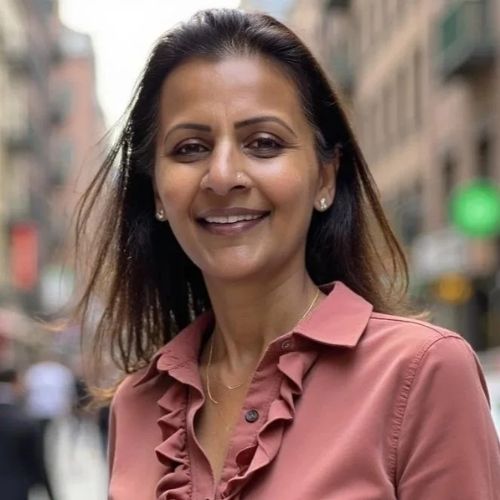
Hetal Thukral, PhD
Hetal Thukral, PhD, is an education measurement, evidence, and learning specialist with over two decades of experience supporting education systems across more than 35 countries. She is Principal at sustainED, LLC and previously served as Division Lead for Evidence & Learning at USAID’s Center for Education, where she helped shape approaches to education research, learning measurement, evidence use, and data-driven decision-making. Earlier in her career, she led evaluation and research at School-to-School International and worked across large-scale education programs, with particular expertise in foundational learning, early grade reading assessment, monitoring and evaluation, and the translation of assessment data into improvements in policy and practice. Her work spans the design and quality assurance of learning assessments, education data systems, evaluation methodologies, and strengthening government and partner capacity to generate and use credible evidence. She holds a PhD in Education Policy, Measurement and Statistics from the University of Maryland and an MA in International Education from George Washington University.
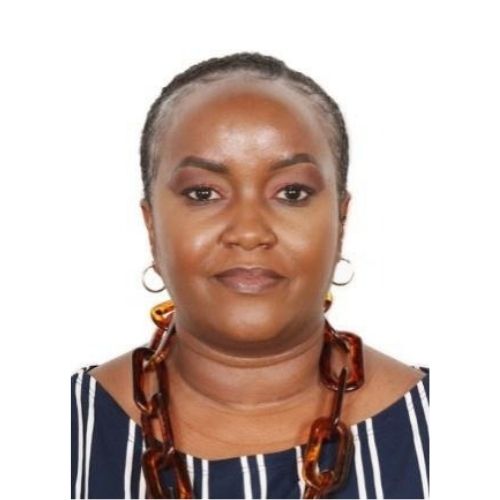
Caroline Riungu, PhD
Caroline Riungu is a senior Monitoring, Evaluation and Learning specialist with over 15 years of experience across education, health, social protection and youth development in Africa and the Caribbean. She has held technical and advisory roles with UNICEF, Education Development Center, FHI 360 and USAID funded programmes. Her expertise includes MEL system design, mixed methods research and evaluation, gender responsive measurement, government engagement, capacity strengthening and translating evidence into practical policy and programme decisions. Her approach emphasises involving governments and local partners from the outset to strengthen ownership, institutional capacity and the sustainability of systems beyond individual programmes.

Clement Chao
Clement Chao is a Monitoring, Evaluation and Learning (MEL) specialist with 14 years of experience in the development and the humanitarian space, and with deep expertise in the education sector. Through RTI’s TUSOME (National Early Grade Literacy Program), he supported the roll-out, the implementation, and the MEL component, including building clients capabilities in MEL, learning outcome assessments, teacher training and support, enrolment tracking, book distribution, and engagement with Ministry of Education, Teachers Service Commission, together with the other education stakeholders at regional and national levels. More recently, he supported the baseline assessment for EDU-FUNGUA ICT Education Intervention, led by the Ministry of Education (MoE), and implemented in collaboration with the EIDU. The technology-enabled literacy and numeracy intervention incorporates AI-enabled learner assessments and longitudinal tracking of learner’s progress, providing opportunities to generate timely evidence to inform the implementation and improve learning outcomes. His expertise spans MEL system design, routine and third party monitoring, data management, evaluations, assessments, and collaboration, learning and adaptation.
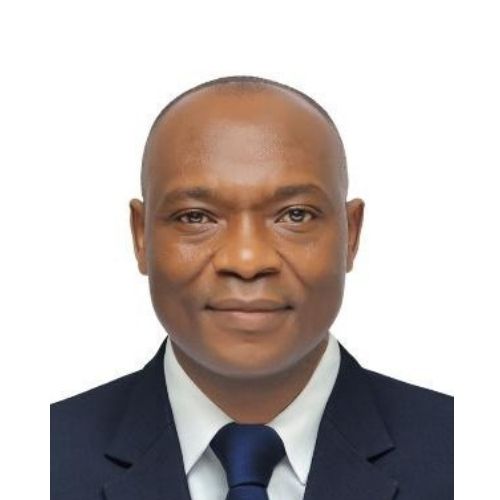
Dunston Kwayumba
Dunston Kwayumba, PhD, is a Monitoring, Evaluation and Learning (MEL) and education systems specialist with over 15 years of experience across Africa and Southeast Asia. His expertise spans foundational learning, EGRA/EGMA, learning assessments, EMIS, national assessment systems, data quality, and the use of evidence for decision-making. He has worked extensively with Ministries of Education in Kenya, Tanzania, Uganda, Nigeria, Somalia, and Southeast Asia, supporting learning measurement, education data systems, and the contextualization of assessment tools and benchmarks to local languages and education systems. His work emphasizes government ownership and the integration of donor-funded M&E approaches into national systems, helping build sustainable evidence and learning structures. His experience also extends to ICT in education, digital personalized learning, and AI-enabled approaches to assessment and teacher support.
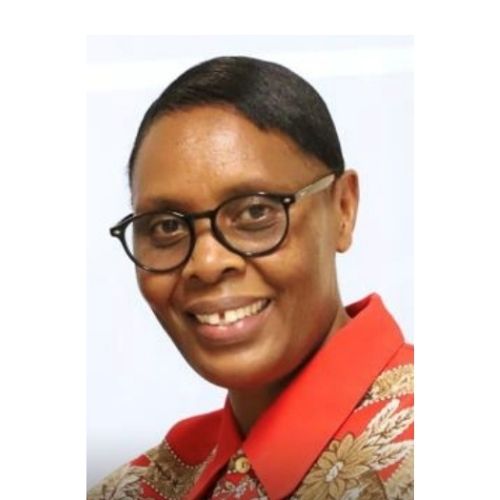
Vestine Nyirahabimana
Vestine Nyirahabimana is a Monitoring, Evaluation and Learning (MEL) professional with more than 10 years of experience, including specialist experience supporting education programmes in Rwanda. Her education expertise includes early-grade learning outcomes, teacher capacity development, parental and community engagement, theories of change, M&E frameworks, baseline evaluation and the use of evidence to strengthen programme design and implementation. Vestine has worked directly with the Rwanda Education Board and Ministry of Education, developing monitoring tools, tracking programme implementation, and assessing learning outcomes. She has also provided MEL leadership across large donor-funded programmes, helping teams strengthen programme quality, learning and accountability. She brings a strong focus on government ownership and sustainability, including involving government counterparts in programme design, strengthening their capacity to use evidence and aligning interventions with national education priorities. Her approach to scale also considers longer-term factors such as post-adoption monitoring, government financing and integrating successful education interventions into government planning and budgets.

Franklin Onyia
Franklin Onyia is a senior Monitoring, Evaluation and Learning (MEL) expert with more than 15 years of experience designing and strengthening education evidence systems across Africa and India. He brings deep expertise in MEL frameworks, baseline studies, randomized controlled trials (RCTs), learning assessments, data analysis, and the integration of monitoring systems into government structures. His experience includes managing evidence functions across large-scale programs with FHI 360, EDC, RTI International, the World Bank and other donor-funded initiatives, spanning foundational learning, teacher professional development and education systems strengthening. Franklin has worked extensively with Ministries of Education and education agencies, particularly in Nigeria, as well as in Kenya and Sierra Leone, building strong government relationships and supporting the use of evidence within education systems. He holds a Master’s degree in Information Technology. His approach emphasizes leveraging technology to produce credible, practical evidence that informs program adaptation, scale-up and policy decisions rather than serving primarily as a donor-reporting requirement.

Innocent Chukwu
Innocent Chukwu is a senior Monitoring, Evaluation, Research and Learning (MERL), education data systems and technology specialist with approximately 15 years of development experience, largely focused on education. His expertise spans foundational learning, teacher professional development, early-grade learning assessments, implementation fidelity, programme evaluation, data systems and evidence-informed decision-making. Beginning his career in computer programming and data analysis, Innocent later worked with RTI on the development of M&E systems and digitisation of early-grade learning assessment tools, including work associated with the Tangerine assessment platform. He has supported education evaluations across Nigeria, Kenya, Ghana and the Philippines and currently holds a senior M&E leadership role on Nigeria’s PLANE programme, with experience leading multidisciplinary M&E, technology and data system teams. He has strong relationships with government and education stakeholders in Nigeria and is a strong advocate for government co-creation and government-led implementation rather than parallel delivery systems. Combining strategic leadership with hands-on expertise in data analysis, assessment systems and emerging technology applications, Innocent focuses on generating practical, decision-relevant evidence that supports programme improvement, government decision-making and sustainable scale.